
Most importers who end up with a problematic smart lock order made the same mistake: they compared prices before comparing factories. The same lock can be supplied with very different quality, documentation and reliability depending on who makes it.
This guide is written for B2B buyers — smart lock importers, distributors, wholesalers, door manufacturers, smart home companies and project buyers. It covers where to find suppliers, how to evaluate them with a practical checklist, and which red flags should stop an order. A wrong choice costs more than the order — it costs your launch timeline, your channel relationships and your brand.
Why China Is the Center of Smart Lock Manufacturing
China produces a large share of the world’s smart locks, with manufacturing concentrated around electronics supply chains, die-casting and mature export services. For buyers, that concentration means a wide choice of products at competitive cost — and an equally wide spread of quality between factories. The same keyword on a B2B platform can surface both an established exporter and a small workshop reselling photos. Established exporters also know how to handle export documents, packaging and buyer expectations, which is why export experience matters when you shortlist. A factory’s export record often shows in its documentation habits: how fast it sends certificates, whether it answers in your time zone, and how it handles packaging languages.
Define Your Requirements Before You Look for a Factory
Market, Door Type and Functions
Your target market decides the functions and compliance you need. An EU-bound distributor should confirm CE-marked documentation at the inquiry stage, while a US-bound project may need to review FCC authorization for wireless models. Write down your target countries, door types (wooden, aluminum, glass, retrofit rim locks), required unlocking methods and power preferences before comparing suppliers.
Wholesale, OEM or ODM
Decide how much customization you need. Standard wholesale keeps an existing model and packaging — fastest to launch. OEM adds your logo, packaging and configuration. ODM means deeper changes to hardware or software, with higher MOQs and longer lead times. Our smart lock OEM/ODM guide explains the cooperation models in detail.
Price Band, MOQ and Lead Time
Set a realistic price band and working MOQ estimate before you start. Factories quote differently for samples, pilot orders and container volumes, so compare like for like. Also ask how long a quoted price stays valid — component costs move, and a written validity period prevents surprises.
Where Smart Lock Buyers Find Manufacturers
Most buyers start on B2B platforms such as Alibaba, Made-in-China and Global Sources, attend trade shows, or follow referrals. Trade shows such as the Canton Fair let you meet several factories in person, though the same screening still applies. Note that the same factory may list under several names on platforms — verify the legal entity behind each lead, and run the checklist below before any deposit. Whichever channel you use, ask for a written quotation and a company introduction before investing time in detailed discussions.
The 8-Point Supplier Evaluation Checklist
1. Product Range and Door-Type Coverage
Does the factory cover the door types you need — wooden, aluminum, glass, rim locks, padlocks, fully automatic locks? If you plan to grow your line, choosing a factory that covers multiple models — like our semi-automatic smart lock range — reduces supplier fragmentation.
2. Certifications and Documentation
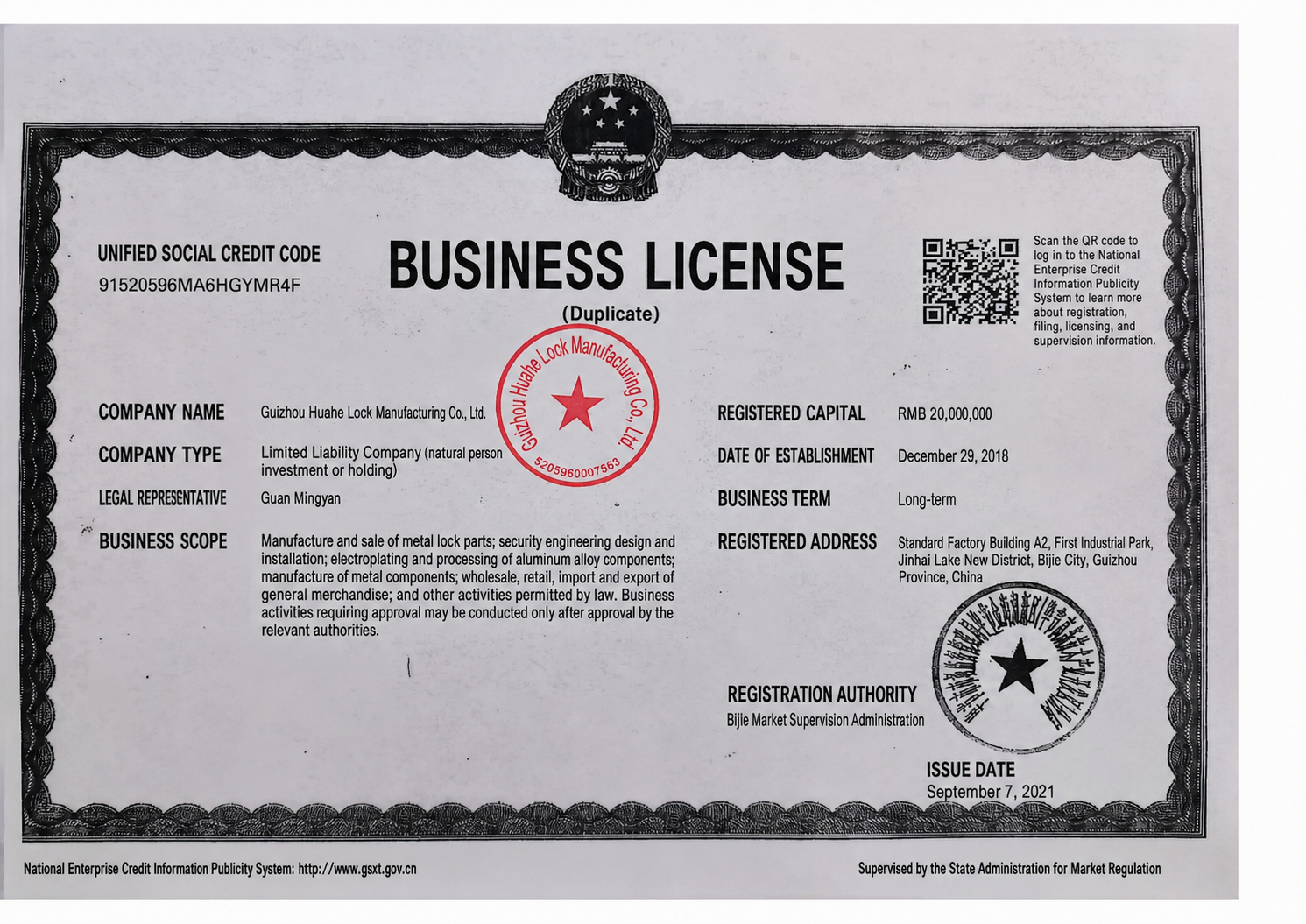
Certificates are model-specific. Ask which documents exist and whether the certificate holder matches the factory you are contracting with. Before trusting any file, walk through our smart lock certification audit guide.
3. Production Capacity and Automation
Ask about monthly output, production lines, and which parts are made in-house versus purchased. A factory that assembles but does not test is different from one with its own QC stations. Also ask how export capacity is allocated and whether your order volume would make you a priority customer.
4. Quality Control and Inspection Workflow
What happens between assembly and shipping? Look for defined inspection steps — materials, function testing, appearance, packaging — and ask whether third-party inspection is accepted. Ask for the actual inspection criteria, for example whether every lock is function-tested or only a sample, and whether you can receive inspection photos before shipment.
5. Communication and Response Quality
Time your questions. A supplier that takes days to answer a detailed inquiry will not get faster when your container is at stake. Good factories answer technical questions concretely and admit limitations instead of promising everything. For international buyers, response speed across time zones is part of communication quality — test it during your first inquiry.
6. Sampling and Technical Support
Ask for samples before any bulk order, especially when door compatibility or branding is involved. Good factories ship the sample with its documentation and answer installation questions competently — how they handle your sample request predicts how they handle your order.
7. MOQ, Pricing and Lead Time Transparency
Get written numbers for MOQ, sample cost, tooling cost, price tiers and lead time. Compare quotes on the same basis: specification, packaging, payment terms and destination port, so the lowest number is actually the lowest comparable price.
8. After-Sales, Warranty and Spare Parts
Ask about warranty terms, replacement parts and the process for reporting issues after shipment. Written warranty terms and a clear spare-parts process protect both sides on repeat orders.
Verify the Factory Before You Commit
Video Tour and Live Demonstrations
A live video call — walk through the workshop, see the actual model, watch a lock being assembled or tested — is worth more than a hundred photos. If a supplier avoids video, treat it as a red flag.
References and Export Experience
Ask which markets the factory already exports to and for verifiable references. Export experience means the factory has handled documentation, packaging and buyer expectations before. You can review our own factory background on the About HUAHE LOCK page.
Quality Control: What to Inspect and When
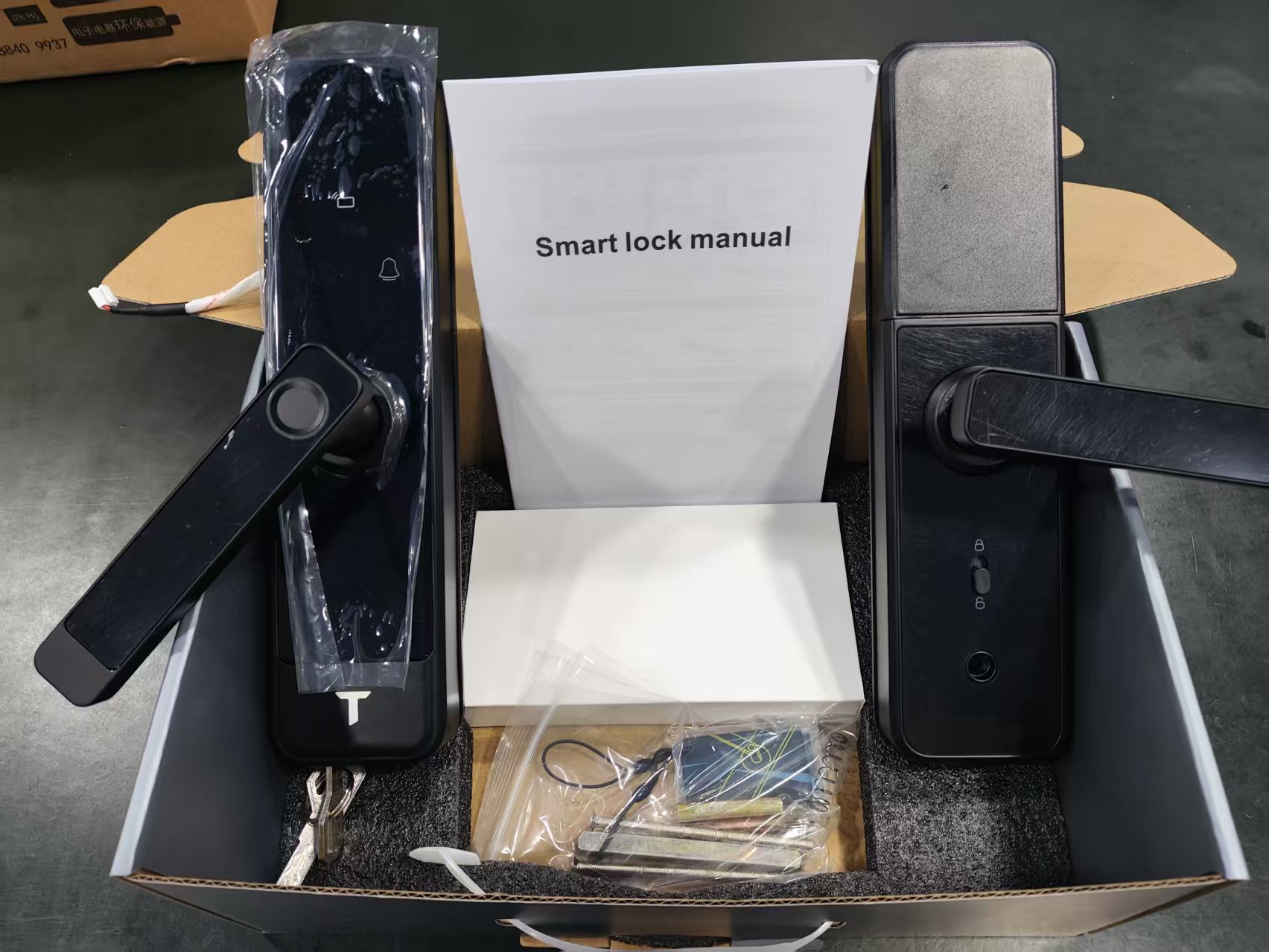
Three checkpoints protect most orders: the sample (test installation and functions on your actual door), the first batch (verify it matches the approved sample and model number), and pre-shipment (check quantities, appearance, packaging and documents). An independent inspection service is worth the cost for your first orders. Keep a simple batch record — model, quantity, inspection date, photos of the sample versus the production units — as your baseline for the next order.
Payment Terms, Incoterms and Shipping Documents
Standard practice for first orders is a deposit (typically 30%) with the balance before shipment. Agree on Incoterms and who arranges freight. Before shipment, collect the commercial invoice, packing list, bill of lading and any certificates that apply — and keep documents aligned with the model numbers you ordered. For repeat orders, agree in advance how specification changes and documentation updates are handled in writing.
Red Flags to Avoid
- Stock photos that appear on other factories’ websites
- Refusal to do a live video call or send samples
- Certificates that cannot be matched to the exact model
- Prices far below the market range
- Vague answers on MOQ, lead time or inspection
- Pressure to pay in full before any documentation
- An undisclosed trading company presented as a factory
Frequently Asked Questions
How do I know if a smart lock factory is real?
Combine evidence: a live video tour, samples, business documents and certificates with matching holder names. Any single source can be faked; a consistent set is harder to fabricate.
What is a typical MOQ for smart locks?
MOQ depends on the model and customization level. Standard products have lower MOQs; OEM packaging or ODM development raises them. Ask for written MOQ per model before comparing quotes.
Can I order samples before a bulk order?
Yes, and you should, especially when door compatibility or branding is involved. Confirm sample cost, shipping and lead time in writing.
Which documents should a supplier provide?
Certificates with scope statements, test reports, the Declaration of Conformity where applicable, and a written statement of which models each document covers.
Should I use a sourcing agent?
An agent can save time on verification, but verify the agent as well — a good agent earns commission from transparency, not from steering you to one factory. If you have the capacity, doing the checklist yourself gives the most control.
How long does production take?
Lead time depends on availability, quantity and customization scope. Confirm the current schedule after the specification and artwork are approved. As a rule of thumb, standard products ship faster than customized ones, and ODM projects need the longest lead time.
Pingback: 7 Things to Consider When Choosing a Smart Lock for Modern Access Control – 365TechnoBlog